Chronology
The
Journey
From a farming village in Amreli to Rashtrapati Bhavan — the documented sequence, with the context that connects one turn to the next.
Read end to end, the chronology has a shape that the individual headlines obscure. The first twenty years are an apprenticeship. The middle twenty build an export business. The most recent twenty are spent, increasingly, on the district he left — and on the argument that a company’s obligations do not end at its gate.
Chronology of milestones
-
1962
Born in Dudhala
Savji Dhanji Dholakia is born on 12 April 1962 in Dudhala, Amreli district, Gujarat, into a Leva Patel farming family. Saurashtra’s agriculture at the time is almost entirely rain-fed and increasingly precarious.
-
c.1975
Schooling ends after the fourth standard
He leaves formal education early. In later interviews he has treated this less as a deprivation than as the reason he learned to read situations rather than documents — a framing consistent enough across decades of interviews to be considered his settled view rather than a retrospective gloss.
-
1977
Surat, at thirteen
He travels to Surat to join a paternal uncle’s diamond-polishing unit, staying with relatives. His first month’s wage is ₹179; he spends ₹140 and saves ₹39. Surat is at this point becoming the centre of the world’s diamond-cutting industry, absorbing labour from exactly the villages he has left.
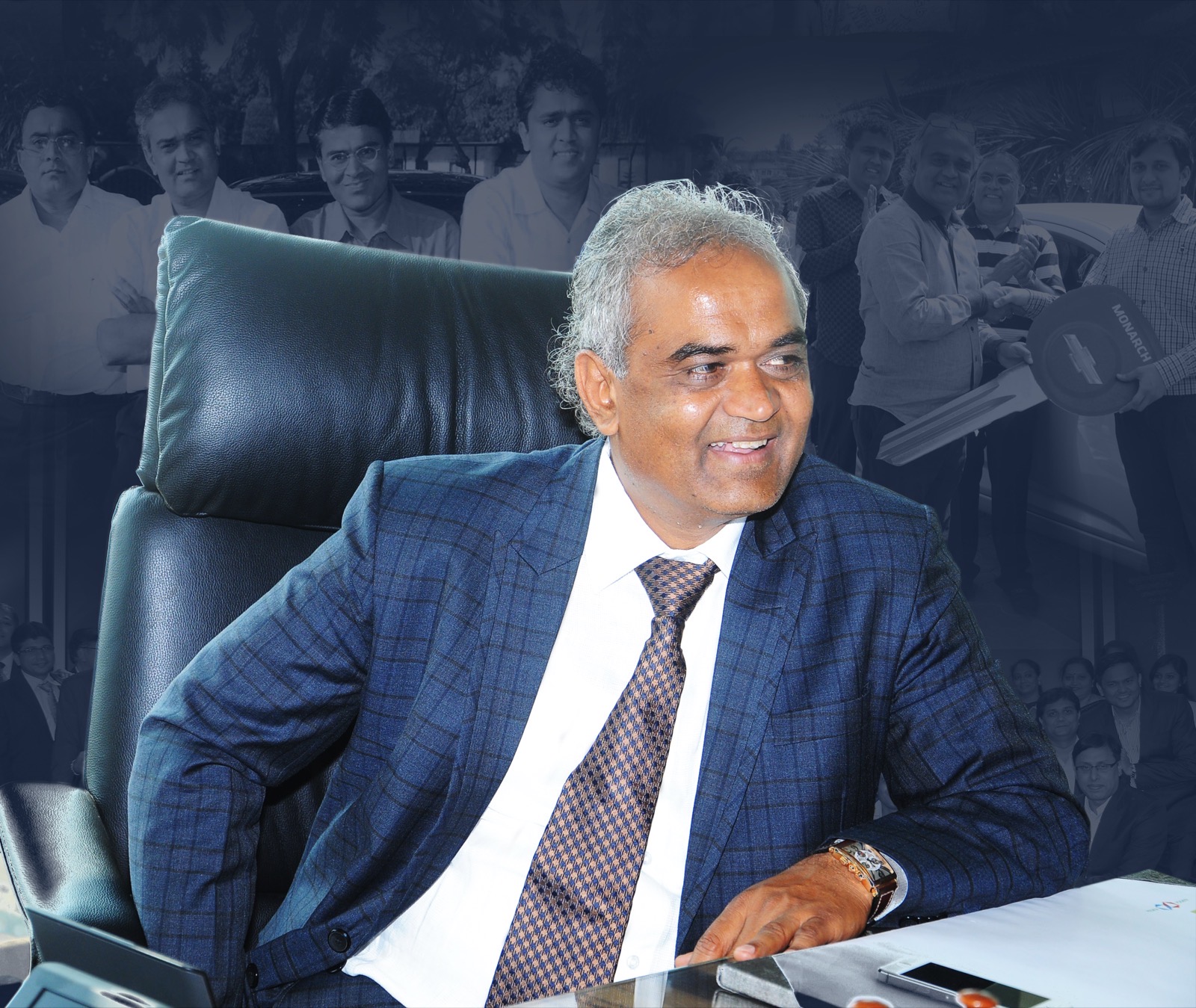
Savji Dholakia, photographed against a montage of company events. -
1984
Trading on his own account
After seven years of wage work he begins a diamond business with his brothers Himmat and Tulsi. The scale is modest; the significance is structural. The sibling partnership formed here remains the company’s governing arrangement four decades later.
-
1992
Hari Krishna Exports is established
The youngest brother, Ghanshyam, joins the business. An export office opens in Mumbai while manufacturing remains in Surat, and the company is formally constituted as Hari Krishna Exports. India’s economy has just been liberalised; the timing places the new export house at the start of a decade of expanding access to world markets.
-
2002–03 to 2011–12
Ten consecutive export awards
The company receives the Gem & Jewellery Export Promotion Council’s annual export award in ten successive years — an unusually sustained run, and the clearest external measure of the business’s growth during that decade.
-
2005
KISNA
In July the group launches KISNA, a diamond-jewellery brand built for Indian retail rather than export. It is a deliberate step from business-to-business manufacturing into consumer branding, and it eventually reaches thousands of retail counters across the country.
-
2011
The annual recognition programme begins
The company starts its yearly Diwali programme of substantial gifts to long-serving employees. Dholakia has explained its origin plainly: having trained workers himself, he was losing them to larger firms, and chose to make staying more attractive than leaving.
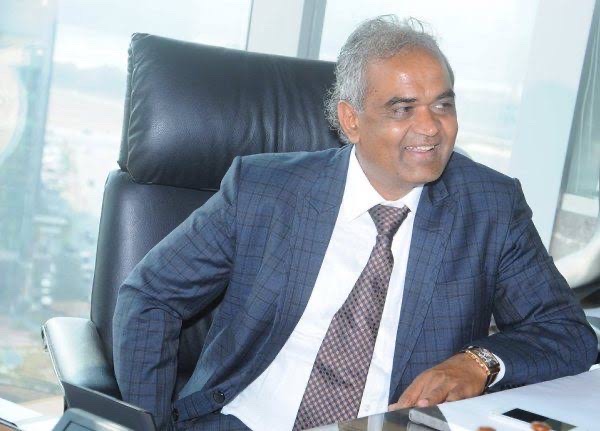
At his desk in Surat. -
2014
The year the programme became international news
The Diwali distribution that year comprises 491 cars, 200 apartments and 525 pieces of diamond jewellery, and is reported by outlets including NBC News and Gulf News. Subsequent years continue on a comparable scale; reported totals differ between sources and should be read as approximate.
-
2016
Dravya Dholakia in Kochi
Dholakia sends his son Dravya, then twenty-one, to Kochi for a month with ₹7,000 to be used only in an emergency, on three conditions: no job for more than a week, no use of the family name, and no help from home. Reported accounts describe rejection at around sixty places over five days, followed by work at a bakery, a call centre, a footwear shop and a McDonald’s, earning roughly ₹4,000 over the month.
-
2020s
Mission 100 Lakes
The Dholakia Foundation’s water programme concentrates on the Gagadiya river in Amreli, creating a hundred reservoirs along roughly fifty-three kilometres between Chamardi and Krankach. Reported outcomes include a doubling of irrigation capacity in the district and substantial gains in agricultural productivity.
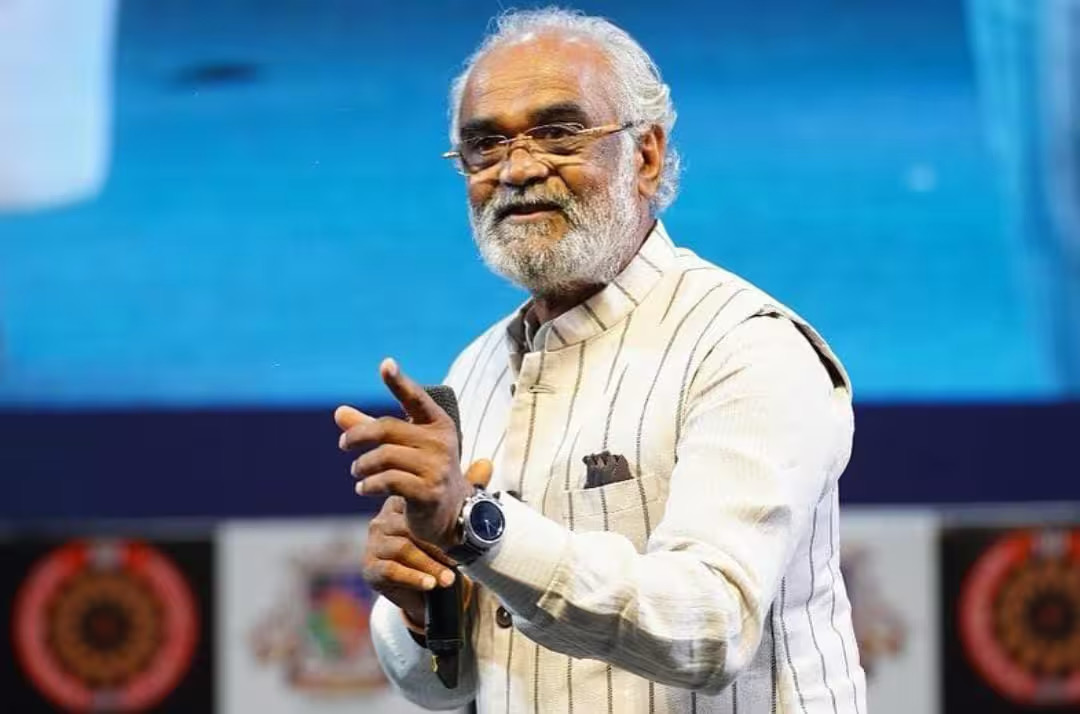
Speaking at a public event. -
March 2023
Luvariya, and the United Nations
A check-dam foundation-laying ceremony at Luvariya, Gujarat, is attended by the former President of India, Ram Nath Kovind, and the Governor of Gujarat, Acharya Devvrat. In the same month the Foundation’s lake programme is presented at the UN 2023 Water Conference in New York.
-
2022
Padma Shri
Dholakia is awarded the Padma Shri, India’s fourth-highest civilian honour, and receives it from President Ram Nath Kovind at Rashtrapati Bhavan — forty-five years after arriving in Surat as a thirteen-year-old apprentice.
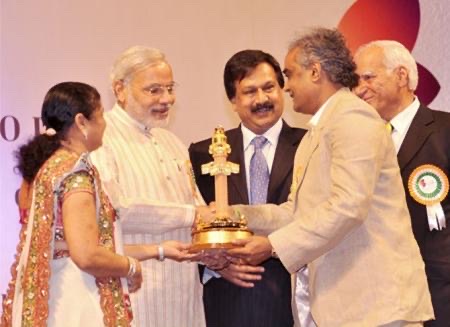
Receiving an award at a public ceremony. -
January 2024
Mission River
The Foundation launches Mission River, extending the model developed on the Gagadiya to river restoration elsewhere in India.
-
September 2024
Honorary Doctorate of Science
He is awarded an honorary Doctorate of Science in recognition of his environmental work, conferred at a university convocation by the Governor of Maharashtra.
A note on sources
Dates and figures on this page are drawn from published reporting and from the organisations concerned. Where sources disagree — as they do on several of the annual recognition-programme totals and on group turnover — the range is indicated rather than a single number asserted. Figures that could not be corroborated have been left out. Published sources are listed on the Media page.