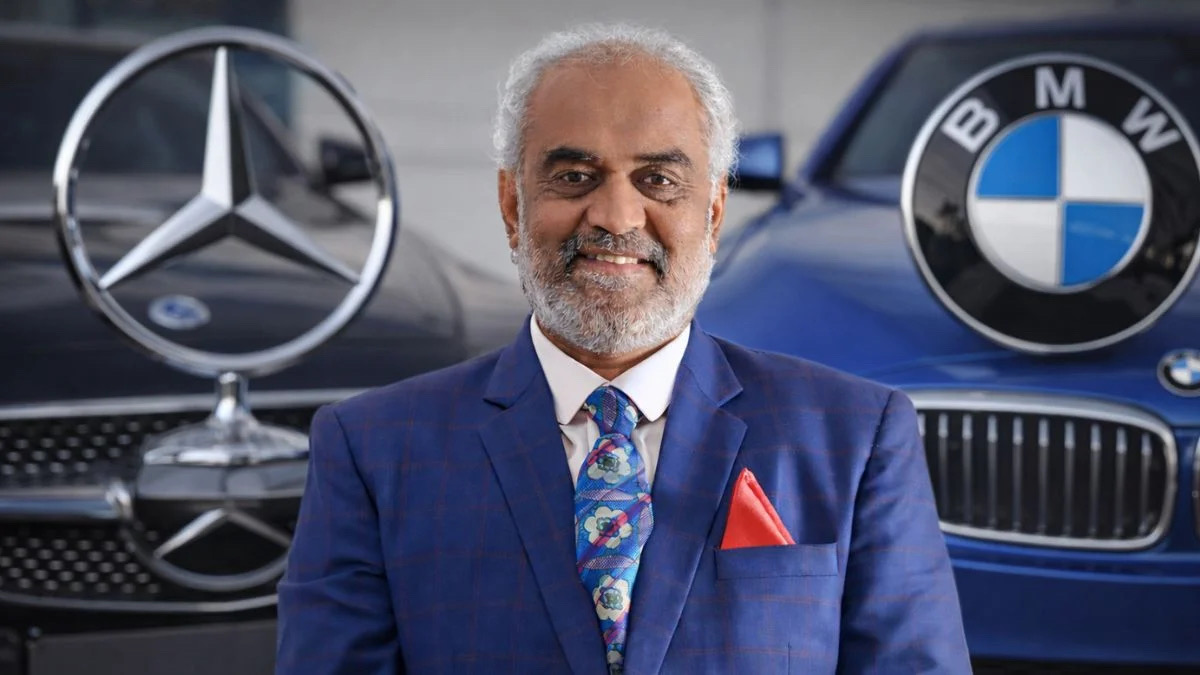
Founder & Chairman · Hari Krishna Exports
Savji
Dholakia
A diamond manufacturer who left school at thirteen, built one of India’s largest natural-diamond houses — and has spent three decades putting water, trees and opportunity back into the land he came from.
Read the biography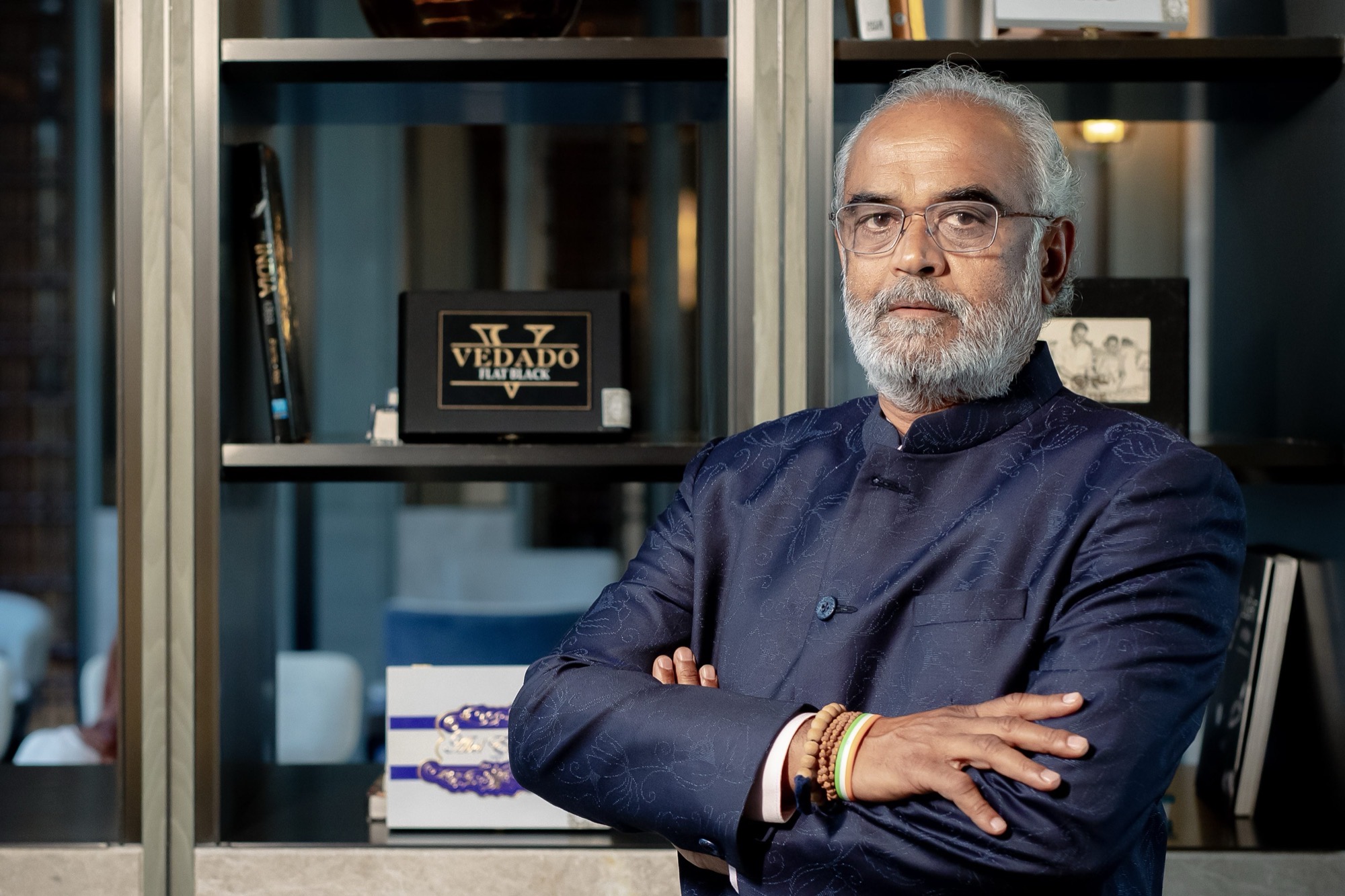
Introduction
A life measured in two currencies
Savji Dhanji Dholakia was born on 12 April 1962 in Dudhala, a farming village in the Amreli district of Gujarat. He left formal schooling after the fourth standard and, at thirteen, took a bus to Surat to join a paternal uncle’s diamond-polishing unit. His first month’s wage was ₹179. He spent ₹140 of it and put ₹39 aside — a detail he has recounted often, and precisely, in the decades since.
The business he went on to build with his brothers — Hari Krishna Exports, formally established in 1992 — procures, cuts, polishes and exports natural diamonds from Surat to seventy-nine countries. Its retail jewellery brand, KISNA, launched in 2005 and reaches thousands of Indian retail counters. By any conventional measure it is a large industrial enterprise.
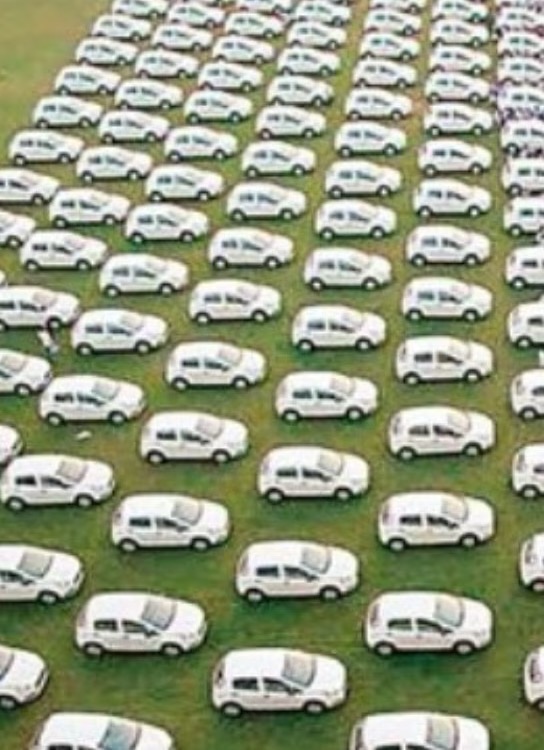
What has made Dholakia a subject of sustained public interest, however, is a second ledger he keeps alongside the first. Since 2011 the company has run an annual recognition programme that has distributed cars, apartments and jewellery to long-serving employees. Since the mid-2000s the Dholakia Foundation has been reshaping the hydrology of his home district — restoring lakes, deepening check dams and planting trees at a scale that has drawn attention from the United Nations and the World Economic Forum.
He was awarded the Padma Shri, India’s fourth-highest civilian honour, in 2022.
The journey
Six decades, told in turning points
A condensed chronology. The full account — including the years of apprenticeship, the move into exports and the founding of the Foundation — is set out on the Journey page.
-
1962
Dudhala, Amreli district
Born into a farming family in a village in Saurashtra, Gujarat. Formal education ends after the fourth standard.
-
1977
Surat, at thirteen
Arrives in Surat to work in a paternal uncle’s diamond-polishing unit. First month’s wage: ₹179.
-
1984
The first business with his brothers
Begins trading in diamonds with his brothers Himmat and Tulsi — the partnership that becomes the spine of the company.
-
1992
Hari Krishna Exports is established
The youngest brother, Ghanshyam, joins; an export office opens in Mumbai. Manufacturing remains in Surat, where it has stayed ever since.
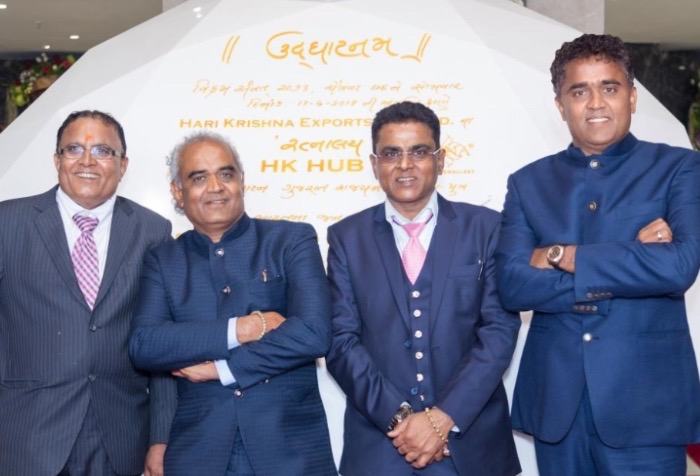
The four brothers at the inauguration of the company’s HK Hub, Surat. -
2005
KISNA
The group launches KISNA, a diamond-jewellery brand built for the Indian domestic market and distributed through thousands of retail counters.
-
2011 onward
The annual recognition programme
The company begins its yearly Diwali programme of substantial gifts to long-serving employees — cars, apartments and jewellery — which continues to draw international coverage.
-
2022
Padma Shri
Conferred by President Ram Nath Kovind at Rashtrapati Bhavan, recognising his contribution to trade, industry and social work in Gujarat.
Business
An industrial house built on one city’s craft
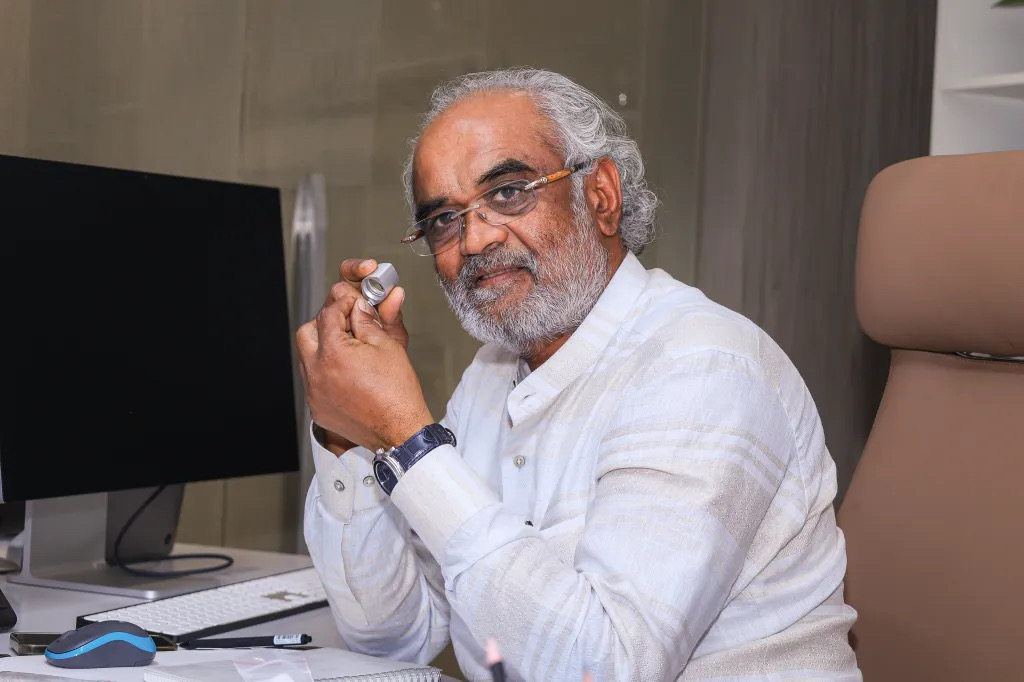
Surat cuts and polishes the majority of the world’s diamonds. Hari Krishna Exports is one of the houses that made that true — a vertically organised business running from rough procurement through manufacturing to export and, latterly, to branded retail jewellery.
The company’s manufacturing base remains in Surat; its marketing and sales operation is in Mumbai’s Bandra Kurla Complex. Between 2002–03 and 2011–12 it received the Gem & Jewellery Export Promotion Council’s annual export award in ten consecutive years.
Leadership
People first,
product second
“Hum diamond nahi banate… hum aadmi banate hain. Diamond toh byproduct hai.” Savji Dholakia — “We don’t make diamonds; we make people. The diamond is the by-product.”
Dholakia has described the origin of the company’s welfare programmes in unsentimental terms: having trained workers from scratch, he kept losing them to larger firms. His answer was to make the terms of staying better than the terms of leaving — and then to keep raising them.
What began as a retention problem became a management philosophy. Annual full-body health checks, wellness and mindfulness programmes, and a recognition scheme that has, in individual years, included hundreds of cars and apartments, are treated inside the company not as generosity but as ordinary operating practice.
Social impact
Returning water to Saurashtra
The Dholakia Foundation’s work runs along the Gagadiya river in Amreli — the district Dholakia left as a boy, and the one his water programme has spent two decades trying to make farmable again.
Reservoirs created along roughly 53 km of the Gagadiya river under Mission 100 Lakes
Trees planted across Gujarat through the Foundation’s afforestation work
Farmers and residents reported as benefiting from the restored water bodies
The Foundation’s lake programme recognised at the UN Water Conference in New York
Figures as reported by the Dholakia Foundation and the World Diamond Council. Sources are listed on the Media page.
In closing
The boy who saved ₹39 from his first wage now measures success in billions of litres of water held behind check dams in the district he was born in.