Biography
About
Savji Dholakia
Founder and chairman of Hari Krishna Exports; chairman of the Dholakia Foundation. Born 1962 in Dudhala, Amreli district, Gujarat. Padma Shri, 2022.
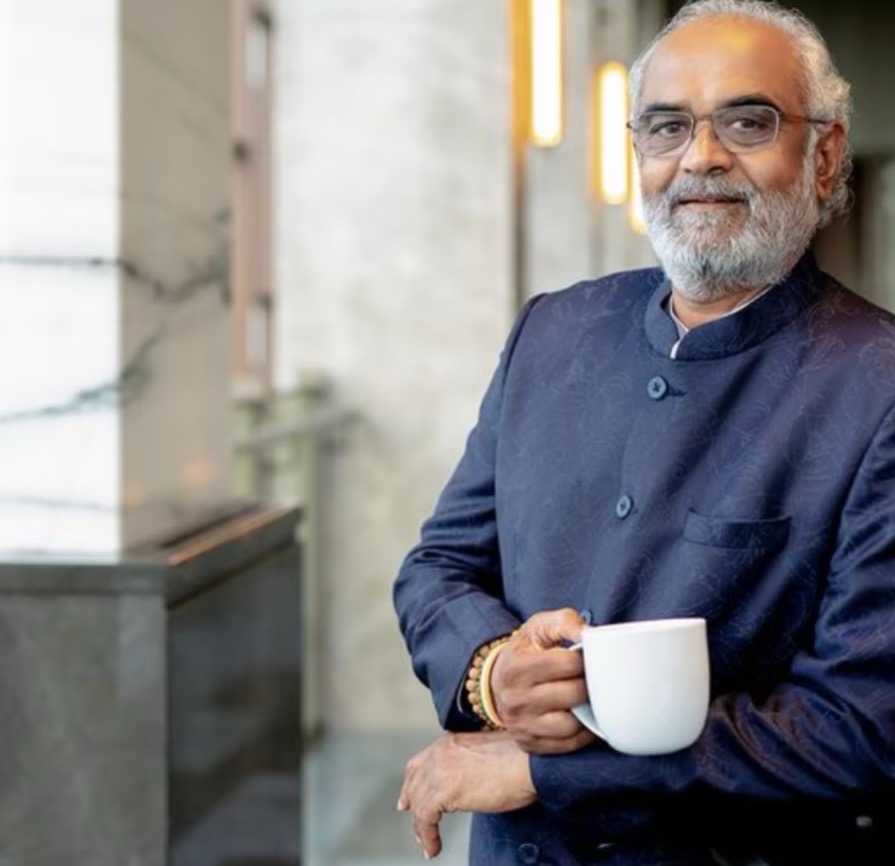
Almost every account of Savji Dholakia begins with the same two numbers: the fourth standard, and ₹179.
The first is where his formal education stopped. The second is what he earned in his first month of work in Surat, aged thirteen, at a diamond-polishing unit run by a paternal uncle. Both numbers are usually deployed as the opening beat of a rags-to-riches story. They are more interesting read as the beginning of a method.
Early life
Dudhala, and the decision to leave it
Savji Dhanji Dholakia was born on 12 April 1962 in Dudhala, a village in the Amreli district of Gujarat, into a Leva Patel farming family. Amreli sits in Saurashtra, a region whose agriculture has always been governed by an unreliable monsoon and a falling water table — a fact that would, decades later, define the second half of his working life.
He attended school to the fourth standard. In 1977, at thirteen, he travelled to Surat, roughly 400 kilometres away, to join the diamond trade that had already begun drawing labour out of Saurashtra’s villages in large numbers. He stayed with relatives and learned to cut and polish.
He has described that first month with unusual precision, and returns to it often:
“I was staying at a relative’s place in Surat and made Rs 179 in the first month at a diamond polishing unit. I spent Rs 140 that month and saved Rs 39.” Savji Dholakia, in an interview with Business Standard
The point of the anecdote, as he tells it, is not the smallness of the sum. It is that the satisfaction of having saved something was, in his account, indistinguishable from the satisfaction of far larger achievements later — a claim he has repeated consistently across interviews spanning many years.
Dudhala, Amreli district, Gujarat
Building the business
Four brothers, one company
By 1984 Dholakia had moved from wage work to trading on his own account, in partnership with two of his brothers, Himmat and Tulsi. The arrangement was informal and the capital small; what it established was the operating unit that has run the business ever since — a set of siblings who divided responsibility rather than competing for it.
In 1992 the youngest brother, Ghanshyam, joined, an export office was opened in Mumbai, and the business was formally constituted as Hari Krishna Exports. Manufacturing stayed in Surat. That division — craft in Gujarat, commerce in Mumbai — has held for more than three decades.
Growth through the 1990s and 2000s was rapid enough to be recognised repeatedly by the industry’s own body: the company received the Gem & Jewellery Export Promotion Council’s annual export award in ten consecutive years, from 2002–03 to 2011–12. In July 2005 the group launched KISNA, a diamond-jewellery brand aimed at the Indian domestic market rather than the export trade — a deliberate move down the value chain toward the consumer.
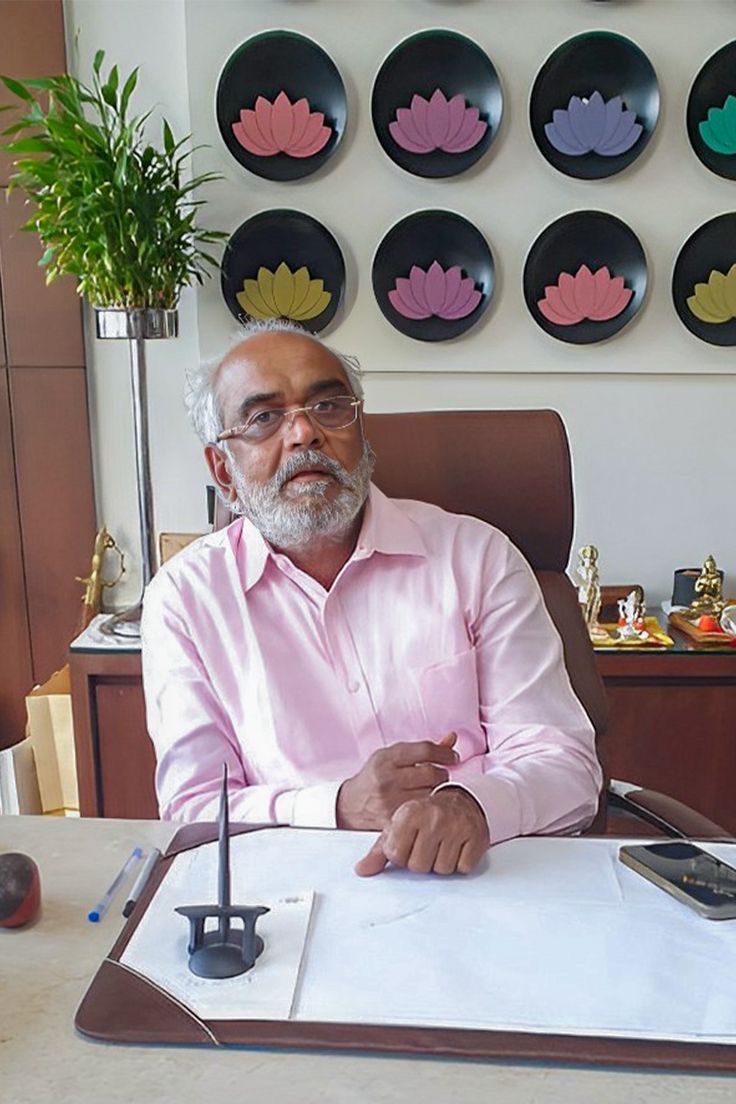
The employer
A welfare programme that started as a retention problem
The practice that made Dholakia internationally recognisable began, by his own account, as a commercial difficulty. Having trained diamond workers from scratch, he found larger firms recruiting them away. Rather than compete only on salary, he built a package that was harder to match.
Since 2011 the company has run an annual Diwali recognition programme. In 2014 — the year that drew the widest international coverage — it distributed 491 cars, 200 apartments and 525 pieces of diamond jewellery to employees. Later years have followed on a similar scale; reported totals vary by source and by year.
Alongside the headline gifts sit less-photographed programmes: free annual full-body health checks for employees, wellness and mindfulness provision, and company blood-donation drives — one, marking the company’s thirty-second year, collected 910 units across Mumbai and Surat.
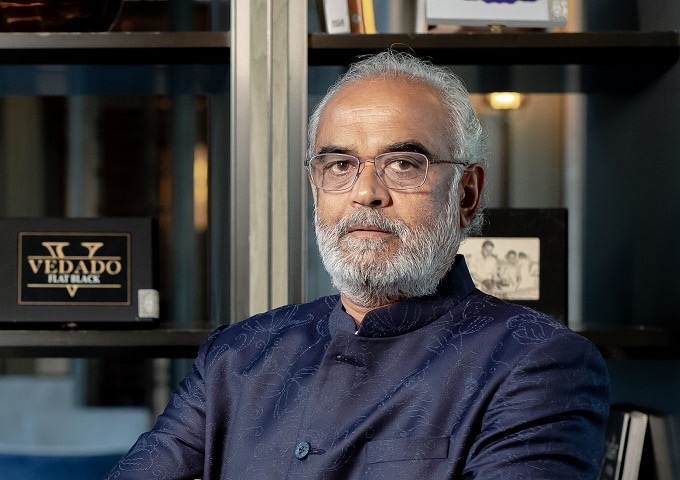
Public role
Water, trees and a second career
Through the Dholakia Foundation, Dholakia has spent the past two decades on a programme of ecological restoration concentrated in the district he was born in. Its central project, Mission 100 Lakes, created a hundred water bodies along roughly fifty-three kilometres of the Gagadiya river between Chamardi and Krankach in Amreli. The Foundation reports more than 160 lakes restored nationally and over three million trees planted.
The work has been recognised outside India: the Foundation participated in the United Nations 2023 Water Conference in New York, and has associated itself with the UN Decade on Ecosystem Restoration and the World Economic Forum’s 1t.org tree initiative. In March 2023 a check-dam foundation ceremony at Luvariya, Gujarat, was attended by the former President of India, Ram Nath Kovind, and the Governor of Gujarat, Acharya Devvrat.
In 2022 Dholakia received the Padma Shri. In September 2024 he was awarded an honorary Doctorate of Science in recognition of his environmental work.